
Why Traffic Planning Matters for Projects in Merritt
Roadwork, utility repairs, construction, and community events can all change how people move through Merritt. When work takes place beside an active road, even a short interruption can affect drivers, cyclists, pedestrians, workers, and nearby businesses. A clear traffic plan helps people pass through or around a work zone while crews carry out their tasks.
For contractors and project managers, arranging traffic Control Services should be part of early site planning rather than a last-minute response. Red Star Safety and Traffic Control Inc. works in the traffic safety field, and project teams in Merritt can contact the company to discuss the needs of a work zone.
How can you tell when your project needs trained traffic personnel and a planned traffic setup? Here are eight signs to watch for, followed by steps for choosing a provider and answers to common questions.
1. Your Work Zone Is Beside an Active Road
A project next to a road used by regular traffic needs careful coordination. Drivers may encounter lane restrictions, temporary closures, equipment entering or leaving the site, or workers near the roadway. Without clear direction, motorists may make sudden lane changes or enter an area where crews are working.
A traffic plan can set out where signs, cones, barriers, and personnel should be placed. It can also explain how vehicles will move past the work area. If your crew is working beside a road in Merritt, traffic Control Services can help organize movement around the site and reduce confusion for road users.
2. Your Project Requires Lane Closures or Alternating Traffic
Some work cannot proceed while every lane remains open. Paving, drainage work, utility installation, tree work, and road repairs may require one lane to close for a period of time. In these cases, vehicles may need to take turns using the remaining lane.
Alternating traffic needs clear instructions and coordination at each end of the work zone. Drivers should know where to stop, when to proceed, and which route to follow. Trained traffic personnel can coordinate vehicle movement according to the approved plan and changing site conditions.
If your schedule includes a lane closure, arrange traffic Control Services before the work begins. Early planning gives the project team time to review access, sign placement, work hours, and any required approvals. Ask about staffing arrangements and equipment needs before confirming your project dates.
3. Drivers Have Limited Sightlines Near the Site
Hills, bends, parked vehicles, heavy equipment, vegetation, and changing road grades can limit what drivers see. A driver who notices a work zone late may have little time to slow down or change lanes safely.
Walk the approach routes before work starts. Consider the distance at which drivers can see signs, the speed of traffic, lighting, weather, and the location of workers. If visibility is restricted, the traffic plan may need advance warning signs, additional controls, or a different work sequence.
Do not assume that a few cones will make a low-visibility site safe. Ask a qualified provider to assess the layout and identify the controls required for the road and the task.
4. Pedestrians or Cyclists Need to Pass the Work Area
Road projects affect more than motorists. People walking, cycling, using mobility devices, or travelling with children may need to pass the site. A blocked sidewalk or cycle route can push people toward moving vehicles if no alternate path is provided.
Plan a clear route around the work area where feasible. The route should be easy to identify, kept free of stored materials, and checked as work progresses. Where a crossing or temporary path is needed, signs and personnel may be required to direct people safely.
Traffic Control Services can be useful when a project changes pedestrian access, affects a cycling route, or creates conflict between people on foot and moving vehicles. Include these users in the site plan from the start.
5. Large Vehicles and Equipment Are Entering or Leaving the Site
Construction vehicles often need more room to turn, reverse, load, or merge with public traffic. A dump truck, excavator transporter, concrete truck, or delivery vehicle may block part of a road while entering or leaving the site.
Set a vehicle movement plan before deliveries begin. Identify entry and exit points, turning space, waiting areas, reversing procedures, and times when deliveries can take place. Keep sightlines clear and avoid allowing vehicles to queue across driveways or intersections.
If equipment movements affect public roads, traffic Control Services can help coordinate those movements and communicate with road users. A planned approach can also reduce delays for the delivery team and nearby properties.
6. Your Work Could Affect Emergency Access
Emergency vehicles need a route through the area when an urgent call occurs. A road closure, temporary signal, parked work truck, or poorly placed barrier can create an obstacle if emergency access has not been considered.
Before work begins, identify nearby intersections, access roads, hydrants, emergency facilities, and any route that must remain available. Confirm the applicable requirements with the road authority and project stakeholders. Make sure the site team knows what to do if an emergency vehicle approaches.
Where work may restrict a key route, include emergency access in the traffic plan and communicate any approved changes to the relevant parties. Do not wait until a closure is in place to consider this issue.
7. The Project Has Several Work Stages or Changing Conditions
A work zone can change from one day to the next. Crews may move from one block to another, switch from daytime to nighttime work, add equipment, or reopen a lane after a task is complete. A setup that suited the first stage may not suit the next.
Create a plan that accounts for each stage, including setup, active work, breaks, and removal. Assign someone to check signs, cones, barriers, and pedestrian routes as conditions change. Weather, darkness, road surface conditions, and traffic volume may also affect the arrangement.
A provider of traffic Control Services can help the project team plan for changing layouts and coordinate adjustments as the job proceeds. Keep the current plan available to supervisors and workers, and make sure changes are communicated before they take effect.
8. Your Team Is Unsure Who Is Directing Traffic
A work zone can become confusing when workers give motorists conflicting instructions or assume someone else is managing the road. Unclear roles can lead to delays, unsafe movements, and disputes about who has authority to direct traffic.
Set out responsibilities before the first shift. Identify who communicates with the road authority, who checks the setup, who directs vehicles, and who contacts the project supervisor if conditions change. Workers should know how to report a concern and pause work when a safety issue arises.
If your crew does not have the training, staffing, or equipment needed for these duties, arrange traffic Control Services through a provider that can explain its procedures, personnel qualifications, and operating plan.
Why Traffic Planning Matters for Merritt Projects
Merritt sits at an important transportation junction in the Interior of British Columbia. Local projects may share road space with residents, commercial vehicles, visitors, cyclists, and people travelling through the region. Work near an intersection, business entrance, highway connection, or public facility can affect several groups at once.
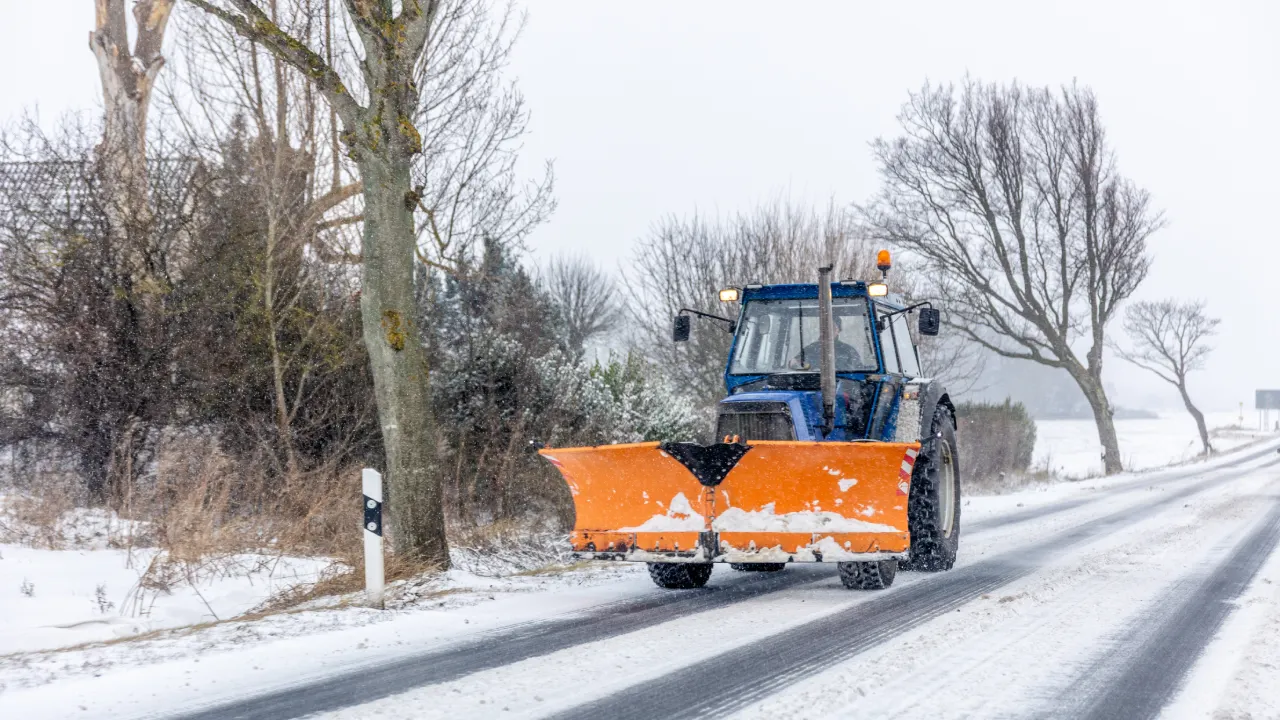
Conditions can also change with the season. Rain, snow, ice, reduced daylight, and road maintenance can influence visibility and stopping distance. A traffic plan should reflect the actual road, the work being done, the expected traffic, and the time of year.
Contractors should confirm the applicable requirements with the relevant road authority before placing signs or changing public access. The plan may need review or approval, depending on the road and type of work. Do not assume that a plan used at another location will meet the requirements for a Merritt project.
How to Choose Reliable traffic Control Services for Your Site
Selecting a provider involves more than comparing a price. The company should be able to explain how it will manage the risks around your work area, communicate with your team, and respond when conditions change. Consider the following points before making a decision.
Check Training and Qualifications
Ask what training workers hold for the duties they will perform and whether their qualifications meet the requirements that apply to the project. Find out how new staff are supervised and how refresher training is handled. Request confirmation of relevant certificates where appropriate.
Ask About Planning and Site Assessment
A provider should ask about the road, speed environment, work hours, equipment, pedestrian access, and project stages. Ask whether the company will review the site before work begins and how it will document the traffic arrangement. A clear plan should identify the controls, roles, and steps for changes.
Confirm Insurance and Safety Procedures
Ask for current proof of insurance and a description of the company’s safety procedures. Find out how incidents, near misses, equipment issues, and changing road conditions are reported. Check whether the provider has a process for stopping or adjusting work when a hazard appears.
Review Equipment and Staffing
Confirm that the provider can supply the signs, cones, barriers, radios, lighting, and other equipment required for the plan. Ask how staffing levels will be set for each shift and how absences are covered. Equipment should be suitable for the road conditions and kept in a usable condition.
Discuss Communication and Scheduling
Your provider should know the work schedule, delivery windows, closure periods, and contact chain. Ask who your supervisor will speak with during a shift and how urgent changes are handled. Confirm how much notice is needed for schedule changes or extra coverage.
Request a Written Scope and Clear Pricing
Ask for a written description of the work, staffing, equipment, hours, travel charges, and any conditions that may change the price. Compare quotes on the same scope rather than choosing based on the total alone. A clear agreement helps both parties know what is included and who is responsible for each task.
Look for Local Project Familiarity
A provider familiar with Merritt and the surrounding area may be aware of local road layouts, traffic patterns, and the practical needs of projects in the region. Ask about comparable work, while keeping in mind that every site needs its own assessment. Check references where available and confirm that the provider can meet your planned dates.
When comparing traffic Control Services, consider staff qualifications, communication, equipment, and the company’s ability to work within your schedule. These factors matter just as much as the quoted price.
How Red Star Safety and Traffic Control Inc Can Fit into Your Project Plan
When you are preparing a road-related project in Merritt, contact Red Star Safety and Traffic Control Inc to discuss the work location, project schedule, road access, and traffic concerns. Share the type of work, expected duration, lane requirements, vehicle movements, and pedestrian impacts. These details help establish what needs to be reviewed before work starts.
Ask the company to explain the proposed scope, staffing, equipment, communication process, and any information it needs from your project team. Confirm applicable road-authority requirements and approvals separately, since these depend on the location and work being carried out.
Planning early can make it easier to coordinate crews, deliveries, road users, and nearby properties. It also gives the project team time to address questions before the first shift begins.
Frequently Asked Questions
1. When should I arrange traffic Control Services for a construction project?
Start planning as soon as you know the work may affect a public road, sidewalk, cycle route, driveway, or other access point. Early discussion leaves time for a site review, a traffic plan, equipment arrangements, and any required approvals.
2. Do small projects need traffic control?
A short job can still create a risk if workers, equipment, or materials are close to moving vehicles or pedestrians. The controls required depend on the road, work activity, duration, visibility, and applicable rules. Ask the relevant road authority or a qualified provider what is required for your location.
3. Who is responsible for approving a traffic plan in Merritt?
The responsible road authority depends on the road and project location. A municipal road, provincial highway, and private access road may have different processes. Confirm the authority with jurisdiction before work begins, and ask what documents, permits, or reviews are required.
4. What information should I give a traffic control provider?
Share the site address or location, work description, expected dates and hours, road layout, speed environment, lane needs, equipment movements, pedestrian access, and any known restrictions. Include the name and contact details of the project supervisor.
5. Can traffic arrangements change during a project?
Yes. Work stages, weather, traffic volume, equipment, and site access can change. Any adjustment should be reviewed by the responsible people, communicated to the crew, and carried out in line with applicable requirements. Do not make an informal change that leaves signs or controls inconsistent with the work taking place.
Take the Next step.
A safe work zone starts with clear planning. If your project includes roadwork, lane restrictions, deliveries, pedestrian detours, or changing access, speak with Red Star Safety and Traffic Control Inc before work begins.
Contact Red Star Safety and Traffic Control Inc. to discuss your Merritt project, share your schedule and site details, and ask about traffic control arrangements for the work. Set up the conversation early so your team can confirm the scope, responsibilities, and next steps before crews arrive.
Phone: +1 778-770-1115
Address: 2152 Quilchena Ave, Merritt, BC V1K 1J4, Canada