Why Remote Work Sites in Merritt, BC, Need Strong First Aid Planning
Remote work sites across Merritt, BC, can present safety challenges that differ from those found in urban workplaces. Construction projects, roadwork, forestry operations, infrastructure development, industrial sites, and other field locations may involve heavy equipment, uneven terrain, changing weather, long travel distances, and limited access for emergency responders.
When an injury occurs at a remote site, the time between an incident and medical treatment can be an important factor. A workplace may need more than a first aid kit sitting in a vehicle or a worker with basic first aid training. Depending on the workplace assessment, hazard level, number of workers, remoteness, and accessibility, a higher level of occupational first aid coverage may be required.
WorkSafeBC requires employers to assess first aid needs for each workplace. The assessment considers factors such as the number of workers, hazard rating, workplace class, access for ambulance personnel, and barriers that could delay first aid or transportation. Employers must also document their first aid requirements and review the assessment annually or when workplace conditions change.
For companies operating in and around Merritt, planning ahead can help establish clear procedures for incidents that may occur far from a hospital or ambulance station. Here are nine reasons to consider OFA Level 3 First Aid Services as part of a remote worksite safety plan.
1. Remote Locations Can Increase Response Times
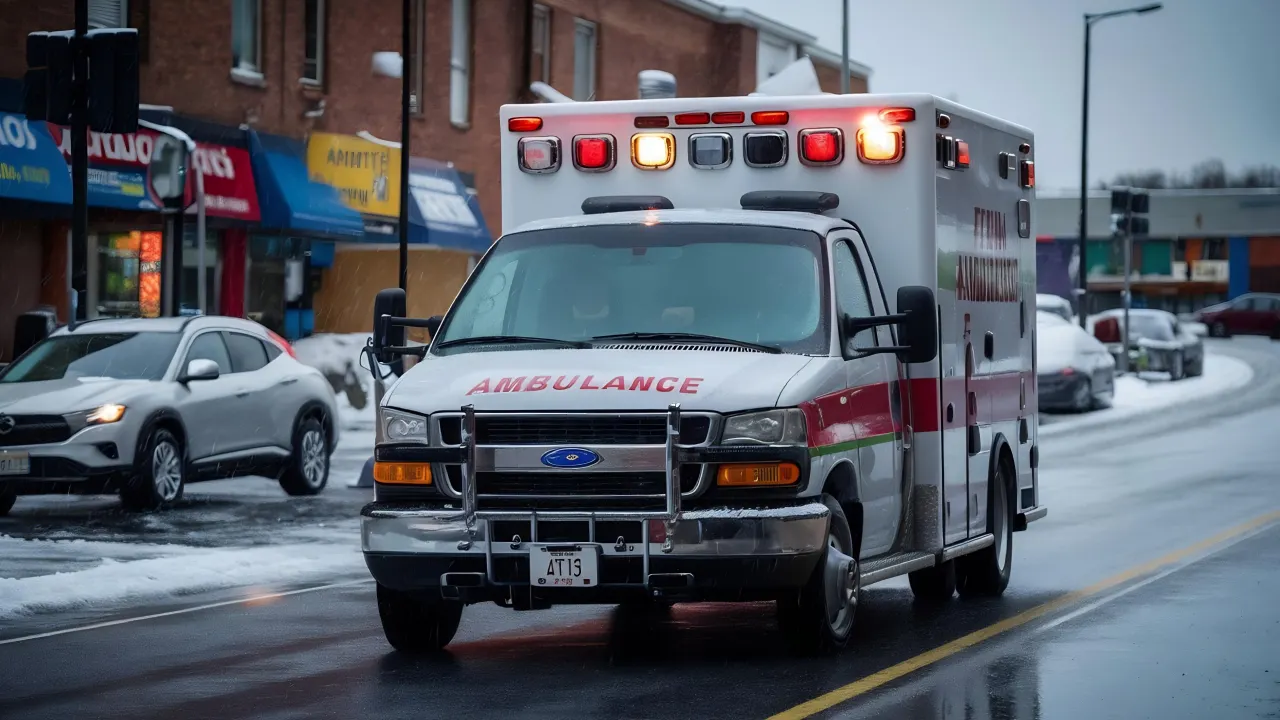
One of the main concerns at a remote worksite is the distance between the job site and outside emergency services. WorkSafeBC defines a remote workplace based on whether an ambulance can travel from its base to the workplace within 30 minutes under normal travel conditions. A workplace may also be considered less accessible when an ambulance or ambulance personnel cannot safely reach the work area.
For worksites outside Merritt, travel conditions can vary depending on road access, terrain, weather, traffic, and the location of the active work area.
OFA Level 3 First Aid Services can form part of a worksite plan where a higher level of first aid capability is required. Having appropriate first aid personnel available at the site means workers do not have to rely solely on an outside response arriving immediately after an incident.
The exact first aid level required should always be established through the workplace assessment and applicable WorkSafeBC requirements.
2. Remote Work Sites May Have Greater Workplace Hazards
Remote projects may involve hazards associated with construction, forestry, heavy machinery, transportation, excavation, electrical work, road construction, industrial activities, or other field operations.
WorkSafeBC’s first aid assessment process requires employers to consider their workplace hazard rating when determining first aid requirements. The assessment also considers the number of workers and whether the workplace is remote or less accessible.
A serious incident can include falls, crushing injuries, burns, cuts, fractures, vehicle incidents, or other emergencies requiring prompt first aid.
OFA Level 3 First Aid Services may be relevant for worksites where the assessment calls for advanced first aid capability. This can be particularly important when the work involves multiple hazards and workers are spread across a large operating area.
3. Medical Facilities May Not Be Close to the Job Site
A remote project may be located a significant distance from a hospital or other medical facility. This can create additional planning requirements for employers.
WorkSafeBC states that employers must have a way to transport injured workers to medical treatment when needed. Depending on the workplace assessment, this may involve a company vehicle, an emergency transportation vehicle, or another suitable arrangement. Certain remote locations may also require emergency air transportation when travel to a hospital by land would take more than two hours.
OFA Level 3 First Aid Services can be considered alongside transportation planning rather than as a replacement for emergency transport.
A practical remote worksite plan should answer several questions:
- Who provides first aid when an incident occurs?
- Where is the first aid area located?
- How will emergency services be contacted?
- What route will an injured worker take to medical care?
- What vehicle or transportation arrangement is available?
- How will workers reach the first aid attendant?
- What happens if weather or road conditions delay outside assistance?
Having these details documented before work begins can reduce confusion during an emergency.
4. Worksites Can Have Multiple Crews and Shifts
Remote projects may operate across multiple shifts, crews, or work areas. Worker numbers may change throughout the day, and different activities may create different hazards.
WorkSafeBC states that employers need to consider the maximum number of workers present during a typical shift when assessing first aid requirements. Managers, supervisors, and other workers present at the workplace are included in the worker count.
This means a first aid plan should not be based only on the number of workers expected during one portion of the project.
OFA Level 3 First Aid Services can help employers plan coverage for shifts and work periods where a higher level of first aid attendance is required by the assessment.
Employers should also plan for absences. WorkSafeBC states that employers must maintain adequate first aid coverage and have arrangements for planned or unplanned absences.
5. First Aid Coverage Can Support Faster Initial Action
When a serious incident happens, the first few actions can matter. Workers need to know who is responsible for providing first aid and how to contact that person.
A remote worksite should have clear procedures that identify first aid attendants, communication methods, first aid locations, emergency contacts, and transportation arrangements.
OFA Level 3 First Aid Services can place an appropriately qualified attendant within the worksite structure when that level of service is required.
This does not replace ambulance personnel, physicians, or hospital care. Instead, the workplace first aid system functions as part of the broader emergency response process.
WorkSafeBC requires written first aid procedures for each workplace. These procedures should identify first aid attendants and their certification levels, describe how attendants respond to incidents, and explain how first aid services are maintained.
6. Large Work Areas Can Create Access Challenges
A remote worksite may cover a large area. A worker could be operating equipment far from the main office, first aid room, or site entrance.
For example, a road construction project may extend over several kilometers. A forestry operation may involve workers in different sections of a site. An infrastructure project may include excavation zones, equipment areas, temporary roads, and other work locations.
These conditions make communication and access important parts of first aid planning.
OFA Level 3 First Aid Services can be incorporated into a site plan that considers where workers are located and how an injured worker can be reached.
WorkSafeBC requires employers to consider barriers that could limit or delay access to first aid. This includes issues involving workplace access, transportation, and other conditions that could affect emergency response.
A useful site plan should identify access routes, emergency meeting points, site entrances, communication methods, and procedures for moving an injured worker when necessary.
7. Weather and Road Conditions Can Affect Emergency Planning
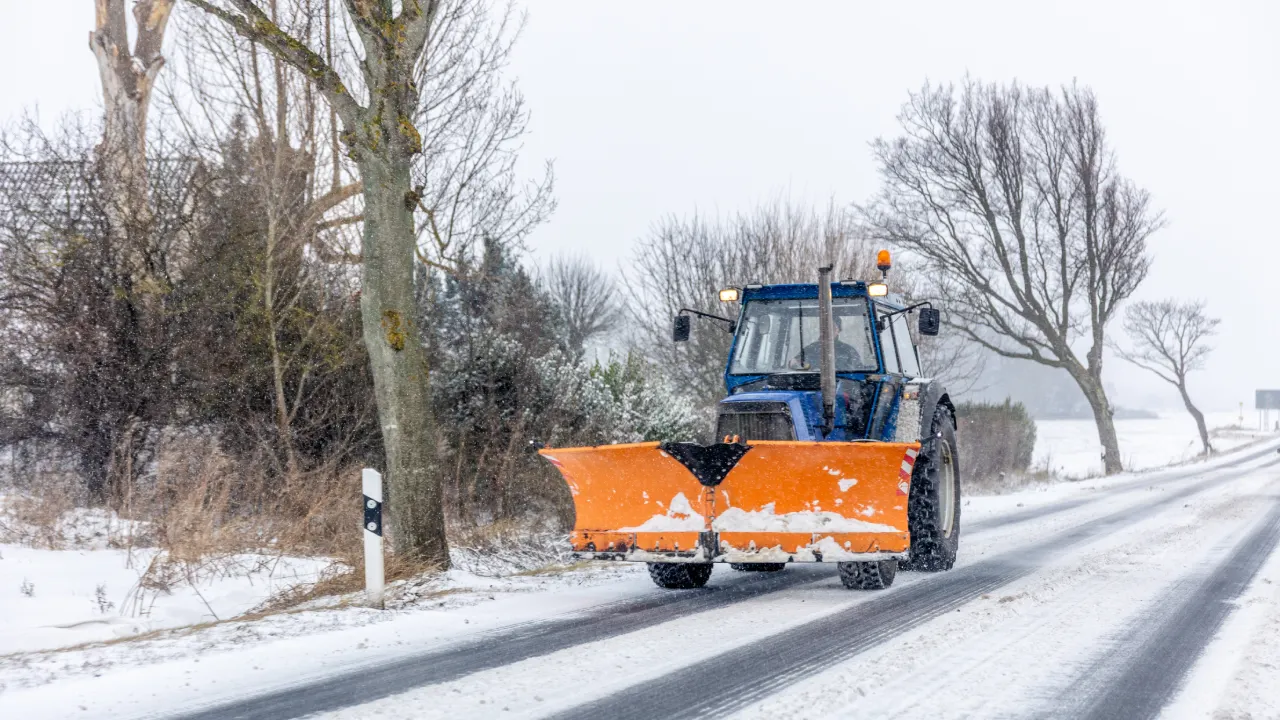
Merritt and surrounding areas can experience changing seasonal conditions that may affect worksite access and transportation. Depending on the location and time of year, snow, rain, ice, mud, poor visibility, or road conditions may affect travel.
WorkSafeBC specifically identifies road and weather conditions as factors that may affect access to a workplace or the ability to transport an injured worker.
This makes emergency planning an ongoing process rather than a one-time task.
OFA Level 3 First Aid Services can be included in a wider emergency response plan that considers how workers will receive first aid while outside emergency services are contacted or while transportation is being arranged.
Employers should review their first aid assessment when workplace conditions change and at least every 12 months.
8. Clear First Aid Procedures Help Workers Know What to Do
During an emergency, workers may not know who to contact or where to go unless procedures have been communicated clearly.
WorkSafeBC requires employers to maintain written first aid procedures and make them accessible to workers. New workers should receive information about first aid procedures during orientation, and workers should receive updated information when procedures change.
OFA Level 3 First Aid Services can be integrated into these procedures by identifying the responsible attendant, communication process, treatment location, emergency contacts, and transportation plan.
Employers can reinforce these procedures through toolbox meetings, site orientations, posted information, vehicle documentation, or digital access where appropriate.
Workers should know:
- How to contact the first aid attendant
- Where first aid equipment is located
- How to report an injury
- How to contact emergency services
- Where emergency vehicles should enter the site
- What information to provide during an emergency
- How an injured worker will be moved or transported
Clear procedures can help reduce uncertainty when an incident occurs.
9. A Structured First Aid Plan Supports Worksite Safety Planning
First aid should be part of the overall worksite safety system rather than treated as a separate task.
For remote operations in Merritt, BC, this may involve first aid attendants, equipment, facilities, emergency transportation, communication procedures, worker training, incident reporting, and regular reviews.
OFA Level 3 First Aid Services may form one part of this system when the workplace assessment identifies the need for an advanced level of first aid coverage.
WorkSafeBC states that employers must provide appropriate equipment, facilities, first aid attendants, procedures, and transportation to medical treatment when required.
The specific requirements vary by workplace. Employers should not assume that every remote worksite needs the same level of first aid coverage. The correct arrangement depends on the documented assessment, workplace class, worker count, hazard rating, accessibility, and other site-specific factors.
How to Arrange OFA Level 3 First Aid Services for Worksites
Arranging first aid coverage for a remote worksite begins with identifying the actual conditions at the location. Employers should complete a written first aid assessment for each workplace and review it with the applicable workers or worker representatives.
Here are practical steps to follow.
1. Review the Worksite Location
Identify the exact worksite location, access roads, distance from ambulance services, nearest medical facility, and any areas that may be difficult for emergency responders to reach.
For Merritt-area projects, this may be particularly relevant when work takes place outside the main urban area.
2. Count Workers and Review Shifts
Determine the maximum number of workers present during each shift. Include workers, supervisors, managers, and other personnel who are regularly present at the workplace.
If the number changes between shifts, assess the coverage required for each operating period.
3. Review Workplace Hazards
Identify the activities taking place at the site and determine the applicable hazard rating. Consider machinery, vehicles, heights, excavation, electrical systems, construction activities, forestry operations, roadwork, and other hazards relevant to the project.
4. Determine Workplace Class
WorkSafeBC uses four workplace classes based on whether a workplace is remote and/or less accessible. The class helps determine minimum first aid requirements.
This step is important because remote and less-accessible conditions can change the first aid arrangements required at a workplace.
5. Confirm First Aid Attendant Requirements
Once the workplace assessment is completed, determine the required number and level of first aid attendants.
The current B.C. framework uses basic, intermediate, and advanced first aid terminology. Older valid Level 1, Level 2, and Level 3 certificates are treated as equivalent to basic, intermediate, and advanced certificates, respectively, until the applicable transition provision ends.
This is important for businesses searching online for “OFA Level 3” services because the terminology has changed following the 2024 regulatory amendments.
6. Plan Equipment, Facilities, and Transportation
First aid planning should also address equipment, first aid facilities, communication systems, and emergency transportation.
Some workplaces require an emergency transportation vehicle, while other workplaces may use another transportation arrangement. The assessment determines what is required.
7. Arrange Site Coverage
Once the requirements are established, contact a qualified workplace safety provider to discuss staffing, scheduling, site access, shift requirements, equipment, and emergency procedures.
Red Star Safety & Traffic can discuss first aid service requirements for projects in Merritt, BC, and surrounding work areas.
8. Keep the Plan Current
A first aid plan should change when the worksite changes. A new project phase, increase in worker numbers, new hazards, relocation of work areas, seasonal access issues, or changes in transportation can affect first aid requirements.
WorkSafeBC states that employers should review their written assessment every 12 months and whenever workplace conditions change.
Why Merritt, BC Worksites Should Plan First Aid Before Work Begins
Remote work can involve conditions that are difficult to predict once a project is underway. Waiting until an incident occurs to determine who will provide first aid or how an injured worker will reach medical care can create unnecessary uncertainty.
For businesses working around Merritt, first aid planning can be included during project preparation, site mobilization, worker orientation, and ongoing safety meetings.
The right setup depends on the actual workplace rather than simply its location. Worker numbers, hazards, remoteness, accessibility, transportation time, and site layout all matter.
A documented first aid plan gives supervisors and workers a clear process to follow when an incident occurs.
FAQs
1. What is OFA Level 3 First Aid Services?
The term “OFA Level 3” is an older B.C. workplace first aid term associated with what is now referred to as advanced first aid. Valid older Level 3 certificates are recognized as advanced certificates during the transition period set out in the regulation. Current workplace requirements should be checked against the present WorkSafeBC framework.
2. Does every remote worksite need Level 3 first aid?
No. First aid requirements depend on factors such as worker numbers, hazard rating, workplace class, remoteness, accessibility, and other site conditions. Employers must complete a written first aid assessment to determine their requirements.
3. Does first aid coverage replace an ambulance?
No. Workplace first aid is part of the emergency response system. Employers must also have arrangements for transporting injured workers to medical treatment when required. Some workplaces may require an emergency transportation vehicle or another form of transport.
4. How often should a worksite first aid assessment be reviewed?
WorkSafeBC states that the written assessment should be reviewed every 12 months and whenever workplace conditions change in a way that could affect first aid requirements.
5. Can first aid coverage be arranged for temporary projects?
Yes, first aid planning can be incorporated into temporary and changing worksites. The required coverage should be based on the conditions, worker numbers, hazards, workplace class, accessibility, and other factors at the project location.
Plan First Aid Coverage for Your Merritt, BC Worksite
Remote worksite safety requires planning before an incident occurs. From worker numbers and workplace hazards to emergency transportation and access routes, each factor can affect the first aid arrangements required at a project.
If your company is working in Merritt, BC, or surrounding areas and needs help arranging workplace first aid coverage, contact Red Star Safety & Traffic to discuss your project requirements, worksite conditions, shift schedule, and first aid needs.
Contact Red Star Safety & Traffic today to discuss first aid coverage for your Merritt-area worksite and prepare a clear emergency response plan before work begins.
Phone: +1 778-770-1115
Address: 2152 Quilchena Ave 2, Merritt, BC V1K 1B8, Canada